
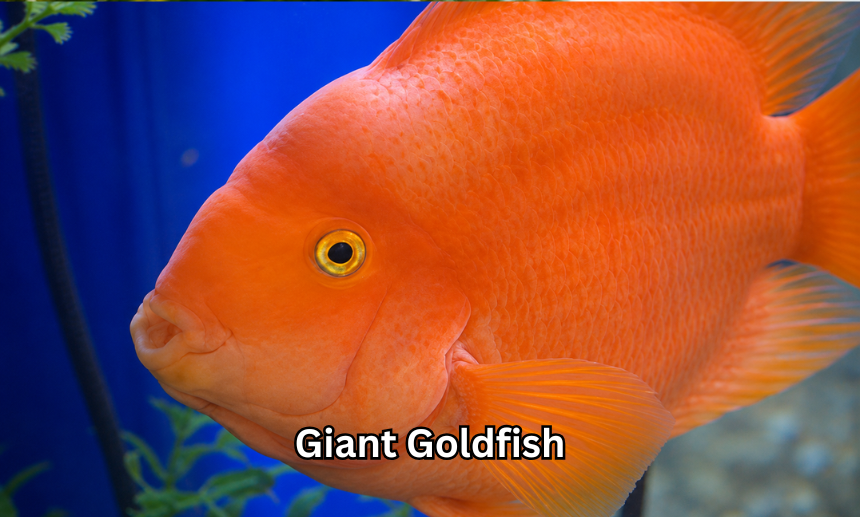

A tiny orange goldfish looks harmless in a pet-store tank. But give that same fish enough space, food, oxygen, and time, and it can grow into a giant goldfish that surprises almost everyone who sees it. That is why viral stories about oversized goldfish in lakes, backyard ponds, and even places like Lake Tahoe keep getting attention.
But there is more to this topic than “big fish found in water.” Giant goldfish raise real questions: How big can goldfish actually get? Are they dangerous? Can you keep one at home? Why do wildlife agencies warn people not to release them? And for gamers, where exactly do you catch the Giant Goldfish in Palia?
This guide gives you the complete, practical answer. You will learn what giant goldfish really are, how they grow so large, how to care for large goldfish responsibly, why they can become invasive in the wild, what happened with giant goldfish in Lake Tahoe, and how to find the Giant Goldfish in Palia.
What Is a Giant Goldfish?
A giant goldfish is not a separate monster fish species. In most cases, it is an ordinary goldfish that has grown much larger than people expect.
Goldfish belong to the species Carassius auratus. They are domesticated freshwater fish related to carp, which helps explain why they can become hardy, long-lived, and surprisingly large when conditions are right. FishBase lists goldfish at a maximum recorded length of about 48 cm, or nearly 19 inches, with a maximum published weight of about 1.6 kg, or around 3.5 pounds.
The phrase “giant goldfish” can mean several things depending on search intent:
- A real oversized goldfish found in a lake, pond, or aquarium
- A large pet goldfish that has outgrown its tank
- An invasive goldfish living in the wild
- The Giant Goldfish fish in the game Palia
- Larger Goldfish crackers sold as snacks
That mixed intent is why many articles feel confusing. Someone searching “giant goldfish care tips” wants pet advice. Someone searching “palia giant goldfish location” wants a game answer. Someone searching “giant goldfish Lake Tahoe” wants an environmental explanation. This guide separates those meanings clearly.
How Big Can Giant Goldfish Get?
Goldfish can grow far larger than the small fish many people buy at fairs, pet stores, or garden centers. The biggest mistake is assuming a goldfish is naturally supposed to stay two or three inches long.
In reality, common goldfish and comet goldfish can become large, strong swimmers. In the right environment, they may reach 10 to 12 inches or more. Some pond and wild goldfish can grow even larger.
Researchers at the University of Nevada, Reno reported that giant goldfish removed from Lake Tahoe reached nearly 15 inches and up to 4 pounds. The U.S. Fish & Wildlife Service has also warned that a released goldfish can grow to 4 pounds and disrupt ecosystems.
A realistic size guide looks like this:
- Pet-store juvenile goldfish: usually 1–3 inches
- Adult aquarium goldfish: often 6–10 inches with decent care
- Large pond goldfish: commonly 10–14 inches or more
- Wild giant goldfish: sometimes 14–18 inches and several pounds
- Viral “monster” claims: often exaggerated or misidentified
The important point is that goldfish growth depends on more than tank size. Water quality, genetics, diet, oxygen, temperature, stress levels, and long-term care all matter.
The Truth About “Goldfish Grow to the Size of Their Tank”
You may have heard that goldfish only grow to the size of their tank. That phrase is misleading.
A small tank can limit visible growth, but not in a healthy way. Poor space and poor water quality may stunt a fish, weaken its immune system, and shorten its life. The fish may look small, but that does not mean it is thriving.
A healthier way to understand goldfish growth is this:
- Goldfish have the potential to grow large.
- They need enough water volume to dilute waste.
- They need strong filtration because they produce heavy waste.
- They need oxygen-rich water and stable conditions.
- They need room to swim naturally.
A goldfish kept in a small bowl may survive for a while, but survival is not the same as good care. A giant goldfish is often a sign that the fish had space and time to grow, whether in a well-kept pond or in a wild waterway where it should not have been released.
Why Giant Goldfish Appear in Lakes and Ponds
Most wild giant goldfish start with human behavior. Someone no longer wants a pet fish and releases it into a pond, lake, canal, river, or storm drain. They may think they are giving the fish a better life. In reality, they may be creating an invasive species problem.
The U.S. Fish & Wildlife Service warns that released goldfish can become invasive, live for up to 25 years, and harm water quality and wild fish communities.
Goldfish can survive in many conditions because they are hardy. If the water is suitable, they may find food, avoid predators, and reproduce. Over time, a few released fish can become a population.
This is one of the most important insights that many basic articles miss: the problem is not just one large fish. The real issue is repeated releases over time. One person dumps one fish. Another person dumps a few more. Someone else releases aquarium plants, bait fish, or pond animals. Slowly, the waterway changes.
Why Releasing Goldfish Is Harmful
A goldfish in a bowl may look delicate. A goldfish in the wild can behave like a small ecosystem engineer.
Goldfish feed along the bottom. As they search for food, they can stir up sediment, uproot aquatic plants, and make the water murkier. The U.S. Fish & Wildlife Service specifically warns that goldfish can disturb sediment, damage plants, and reduce water clarity.
That matters because aquatic plants and clear water support many native species. When the water becomes cloudy, sunlight reaches fewer plants. When plants disappear, small fish, insects, and other aquatic animals lose shelter. Native fish may also have to compete with goldfish for food and habitat.
Released goldfish can cause problems such as:
- Cloudier water
- Damaged aquatic plants
- Competition with native fish
- Increased nutrient disturbance
- Possible disease or parasite spread
- Larger invasive populations over time
The unique thing about goldfish is that people often release them with good intentions. They are not trying to damage the environment. But a “kind” release can become a long-term problem for lakes, ponds, and native wildlife.
Giant Goldfish in Lake Tahoe
Lake Tahoe is one of the most famous examples connected to giant goldfish. The story became popular because Lake Tahoe is known for clear water, mountain scenery, and environmental protection. Finding giant goldfish there sounded strange, almost unbelievable.
University of Nevada, Reno researchers reported that non-native warm-water fish, including giant goldfish, were found in Lake Tahoe. Some of those goldfish reached nearly 15 inches and 4 pounds.
The larger environmental concern was not just the size of the goldfish. Researchers pointed to non-native warm-water fish in areas like the Tahoe Keys, where native minnow populations had been heavily affected.
This is why “giant goldfish Lake Tahoe” is more than a weird animal story. It shows how aquarium releases can become part of a bigger invasive species issue.
For homeowners, aquarium keepers, and pond owners, the lesson is simple: never release pet fish into natural water. Even if the fish seems too small to matter, the long-term effect can be much larger than expected.
Are 600-Pound Giant Goldfish Real?
No. A true goldfish does not grow to 600 pounds.
Searches like “600 pound giant goldfish caught” usually come from confusion, exaggeration, or a misleading nickname for another fish. Some huge freshwater fish may be orange, carp-like, or described casually as “goldfish,” but that does not make them actual pet goldfish.
A real goldfish can become large enough to shock people, especially when it reaches several pounds. But a 600-pound fish would almost certainly be another species, such as a giant carp-like fish or another freshwater giant.
A simple identification tip helps:
- Goldfish: no barbels near the mouth
- Koi/common carp: usually have barbels near the mouth
- True giant freshwater fish: often have very different body structure
So yes, giant goldfish are real. But no, a 600-pound goldfish is not a realistic claim for Carassius auratus.
Giant Goldfish vs Koi: How to Tell the Difference
Many people confuse large goldfish with koi. That is understandable because both can be orange, white, yellow, black, or patterned. Both are related to carp. Both can live in ponds. But they are not the same.
The easiest difference is the mouth. Koi usually have small whisker-like barbels near the mouth. Goldfish do not.
Here is a clear comparison:
| Feature | Giant Goldfish | Koi |
|---|---|---|
| Species background | Domesticated goldfish | Domesticated common carp |
| Mouth barbels | No | Yes |
| Common adult size | Often smaller than koi | Usually larger |
| Body shape | Varies; often shorter or rounder | Longer and more torpedo-shaped |
| Pond use | Common in small and medium ponds | Common in larger koi ponds |
| Care needs | Heavy waste, needs filtration | Heavy waste, needs large filtration |
This matters because someone may see a large orange fish and call it a giant goldfish when it is actually koi. If the fish is extremely large, the odds of misidentification go up.
Giant Goldfish Care Tips for Pet Owners
If your goldfish is getting big, that is not a bad thing. It usually means the fish has growth potential and needs better long-term planning.
Goldfish are not short-term decorations. They are long-lived pets that need stable water, room to swim, proper oxygen, and consistent maintenance.
1. Choose a Large Enough Tank or Pond
A tiny bowl is not suitable for a goldfish. Goldfish produce a lot of waste, and small containers become unstable quickly.
Long-bodied goldfish, such as common goldfish and comet goldfish, often do best in very large tanks or outdoor ponds. Fancy goldfish can be kept indoors more often, but they still need generous water volume and careful filtration.
A practical rule is this: plan for the adult fish, not the baby fish you buy.
2. Use Strong Filtration
Goldfish are messy. They eat a lot, produce a lot of waste, and can quickly overwhelm weak filters.
A good setup should include:
- Mechanical filtration to remove debris
- Biological filtration to process ammonia and nitrite
- Good water movement for oxygen
- Regular filter maintenance
Clear water does not always mean safe water. Ammonia and nitrite can be invisible but harmful. Testing water regularly is one of the best habits a goldfish owner can build.
3. Feed Less Than You Think
Overfeeding is one of the most common mistakes. Extra food rots, pollutes the water, and increases waste.
Feed small amounts that the fish can finish quickly. Use quality goldfish food and occasional suitable vegetables, but avoid turning feeding into constant snacking.
A large goldfish does not need nonstop food. It needs stable, clean water more than it needs extra meals.
4. Keep Water Conditions Stable
Goldfish are hardy, but “hardy” does not mean indestructible. Sudden changes in temperature, pH, ammonia, or oxygen can stress them.
Good care includes:
- Regular partial water changes
- Dechlorinated replacement water
- Stable temperature
- Avoiding overcrowding
- Monitoring ammonia, nitrite, and nitrate
A giant goldfish is usually a high-waste fish. Treat water quality as the foundation of care.
5. Avoid Mixing the Wrong Fish
Goldfish are cool-water fish. Many tropical fish need warmer water and different conditions. Mixing them can create stress, disease risk, or feeding problems.
Fancy goldfish may also struggle when kept with fast common goldfish or comets because they swim more slowly and may lose food competition.
6. Plan Before the Fish Outgrows the Setup
Many people buy goldfish without realizing how large they can become. Then the fish outgrows the tank, and the owner feels stuck.
Better options include:
- Upgrading to a larger aquarium
- Moving the fish to a safe private pond
- Rehoming through an aquarium club
- Asking a reputable fish store for advice
- Finding a responsible pond keeper
The wrong option is releasing the fish outdoors. The CDC advises pet owners not to release fish into ponds, rivers, lakes, or other outdoor water.
Giant Goldfish in a Pond: What to Know
A pond can be a good home for large goldfish if it is built and managed properly. But not every pond is safe.
A healthy goldfish pond needs enough depth, filtration, oxygen, and protection from extreme weather. In hot climates, shallow ponds can overheat. In cold climates, ponds need enough depth and oxygen exchange to support fish safely through winter.
Useful pond care tips include:
- Avoid overcrowding
- Add filtration sized for the fish load
- Provide shaded areas
- Keep predators in mind
- Remove excess leaves and debris
- Monitor water quality
- Do not add wild fish to the pond
- Do not let pond fish escape into natural waterways
One under-discussed point: backyard ponds can become accidental release points. Flooding, overflow, or poor drainage can move fish into nearby streams or wetlands. If your pond is near natural water, design it so fish cannot escape during heavy rain.
What to Do If You Catch or Find a Giant Goldfish
If you find a giant goldfish in a natural waterway, do not move it to another lake or pond. That can spread the problem.
A responsible approach is:
- Check local rules.
- Contact a local wildlife, fisheries, or natural resources agency.
- Report the sighting if your area tracks invasive species.
- Do not release it into a different location.
- Do not assume it is safe to take home without knowing the law.
If the fish is in a private pond and belongs to someone, treat it like someone’s pet. If it is in a public lake or river, it may be part of an invasive population.
The U.S. Fish & Wildlife Service recommends reporting invasive species sightings through appropriate local or national channels.
Palia Giant Goldfish Location
In Palia, the Giant Goldfish is not a real invasive fish. It is an Epic fish that players often need for collections, bundles, selling, or completion goals.
According to the Official Palia Wiki, the Giant Goldfish can be caught in ponds in Kilima Valley, Bahari Bay, and the player’s housing plot. It is available at any time of day and is attracted to Glow Worms.
Here is the quick Palia answer:
| Palia Fish | Giant Goldfish |
|---|---|
| Rarity | Epic |
| Biome | Ponds |
| Locations | Kilima Valley, Bahari Bay, housing plot |
| Time | Any time |
| Bait | Glow Worms |
Best Practical Palia Tips
The biggest mistake players make is treating the Giant Goldfish like a time-window fish. Since it can appear at any time, the real challenge is bait efficiency and patience.
Try this approach:
- Bring plenty of Glow Worms.
- Fish in a pond you can access repeatedly.
- Use fishing boosts if available.
- Stay in one suitable pond long enough to reduce wasted movement.
- Do not assume the fish is unavailable just because it takes many casts.
Some players prefer the housing plot pond because it is convenient and low-stress. Others prefer ponds in Kilima Valley or Bahari Bay while farming other resources. The best location is often the one where you can comfortably repeat casts without distraction.
Giant Goldfish Crackers and Snacks
Some searches for “giant goldfish” are not about live fish at all. They are about Goldfish crackers.
Goldfish Mega Bites are larger snack crackers, described by Campbell’s as 50% larger than regular Goldfish crackers. That explains searches like:
- giant goldfish crackers
- giant goldfish cracker
- giant goldfish snack
- giant goldfish grahams
- pizza giant goldfish
This is a completely different topic from living goldfish. If you are looking for the snack, you probably want product flavors, availability, nutrition, or size comparison. If you are looking for the animal, you want care, growth, invasive species information, or wild sightings.
For readers, the distinction is simple: giant goldfish crackers are food; giant goldfish are living animals or a game fish in Palia.
Common Myths About Giant Goldfish
Myth 1: Giant goldfish are fake
They are not fake. Real goldfish can grow large in ponds, lakes, and spacious aquariums. Reports from Lake Tahoe and wildlife agencies show that oversized goldfish are a real issue.
Myth 2: A small tank safely keeps goldfish small
A small tank may stunt growth, but that is not healthy. It can create poor water conditions and long-term stress.
Myth 3: Releasing a goldfish is kind
It may feel kind, but it can be harmful. Many released pets suffer or die, while survivors can become invasive and damage the environment.
Myth 4: Every big orange fish is a goldfish
Some are koi or carp. Check the mouth for barbels and consider the body shape.
Myth 5: Giant goldfish are dangerous to humans
They are not dangerous to people. The concern is ecological damage, not attacks or direct harm.
Real-Life Scenarios
Scenario 1: Your Child Wins a Goldfish
A child brings home a tiny goldfish from an event. It looks easy to care for, so the family puts it in a small bowl. Within weeks, the water smells bad, the fish acts sluggish, and everyone feels frustrated.
The better plan is to treat the fish as a real pet from day one. Set up a properly sized, filtered aquarium and learn basic water testing. If the family cannot provide that, rehoming is more responsible than keeping the fish in poor conditions.
Scenario 2: Your Goldfish Outgrows Its Tank
Your goldfish starts at two inches and grows to eight inches. The tank now looks cramped, and water gets dirty quickly.
That is the moment to upgrade or rehome responsibly. Do not wait until the fish is sick. Large goldfish need more water volume, better filtration, and more swimming space.
Scenario 3: You See a Giant Goldfish in a Local Lake
You spot a large orange fish in a public pond or lake. It looks like someone’s former pet.
Do not catch it and move it somewhere else. Do not release it into a different pond. Report it to the appropriate local agency if invasive species reporting is available in your area.
Scenario 4: You Need the Giant Goldfish in Palia
You are using Glow Worms but still cannot catch the Giant Goldfish. You wonder if you are fishing at the wrong time.
The likely issue is not time, because the fish is available any time. Focus on pond locations, bring more Glow Worms, and be patient.
Frequently Asked Questions
What is a giant goldfish?
A giant goldfish is usually a regular goldfish that has grown much larger than expected because it has enough space, food, oxygen, and time. It is not usually a separate species. In the wild, giant goldfish often come from released pets.
How big can giant goldfish get?
Goldfish can reach impressive sizes, especially in ponds and lakes. FishBase lists a maximum recorded length of nearly 19 inches for goldfish, while wildlife reports have described released goldfish reaching several pounds.
Are giant goldfish bad for lakes?
Yes, they can be bad for lakes when they are non-native or invasive. Goldfish can stir up sediment, uproot plants, compete with native fish, and reduce water quality. That is why wildlife agencies tell people not to release pet goldfish outdoors.
Where do you catch Giant Goldfish in Palia?
You can catch the Giant Goldfish in Palia by fishing in ponds with Glow Worms. The Official Palia Wiki lists ponds in Kilima Valley, Bahari Bay, and the player’s housing plot as locations. It can be caught at any time of day.
Is a 600-pound giant goldfish real?
A true goldfish does not grow to 600 pounds. Claims like that usually involve exaggeration, misidentification, or another species being casually compared to a goldfish. Real giant goldfish are impressive, but they are not hundreds of pounds.
Can I keep a giant goldfish at home?
Yes, but only with the right setup. A giant goldfish needs a large tank or pond, strong filtration, stable water quality, oxygen, and enough swimming space. If you cannot keep it properly, rehome it responsibly rather than releasing it.
Conclusion
Giant goldfish are real, but they are often misunderstood. They are not mythical lake monsters, and they are not always fake viral stories. In many cases, they are ordinary goldfish that grew large because they had space, food, and time.
The most important takeaway is responsibility. If you keep goldfish, plan for their adult size. Give them clean water, strong filtration, and enough room. If you can no longer care for them, never release them into the wild. A small pet can become a serious invasive problem when it enters the wrong waterway.
For Palia players, the answer is much simpler: use Glow Worms, fish in ponds, and keep trying. Whether you are caring for a real fish, researching Lake Tahoe sightings, or hunting an Epic fish in-game, understanding the context behind “giant goldfish” helps you get the right answer faster.